
You caught a beauty!!!
************

************

************
Download PDF of scaffold here.
theory behind scaffold…
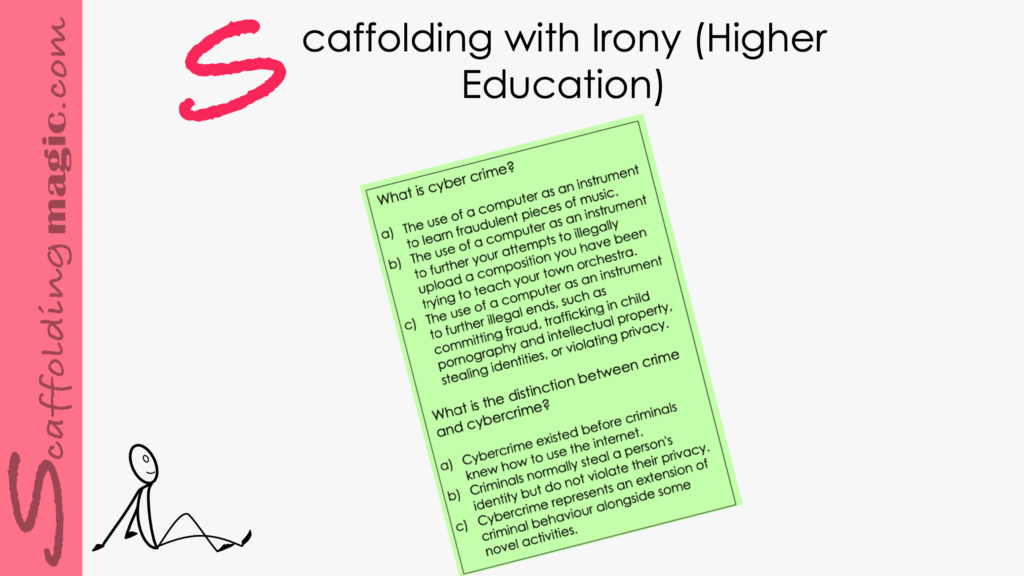
Adding humour to a lesson is always a recipe for success. Humour changes the dynamic of the class and helps students to see their lessons with a different frame of mind. This scaffold uses irony – the highest form of humour – to help make potentially dry material more inviting and accessible.
The use of humour is engrained in our cultural perspectives. Edward T. Hall, one of the pioneers of cultural studies for the purpose of preparing us for and appreciating the differences in peoples across the globe, elucidates the varying uses of humour in different environments. American humour, for instance, is binary and is either present or absent. In the Far East, on the other hand, one encounters a wide spectrum of subtle degrees of humour that are commonly present.*
In cultivating global citizens, it is important that our students know the differences of humour in different cultures – between irony and simpler forms of humour – so that they can react to it appropriately. It’s yet another way of appropriately and knowledgeably interacting with the people around us in this interconnected world.
On a more visceral level, humour brings enthusiasm, positive feelings and optimism to the classroom. Irony generates cognitive activity and changes the vibration of the class. Using humour and irony in conscientious ways will help students to approach their lessons with a different frame of mind – one more relaxed and receptive; once they are more receptive, they can produce more meaningful verbal exchanges about the topic at hand and internalise new information more deeply.
In putting this activity together, you’ll have the opportunity to play with language in creative ways. You’ll prepare questions from a lesson, unit, or project your students are about to begin. Each question will include multiple choice answers – one that is most appropriate, and the rest as absurd as you like them to be. (Remember, we want to cultivate a learning environment in which there are no ‘correct’ answers, but only those that are more justifiable than others.)
You can begin by explaining to your students that they’re going to take a short quiz. Very briefly, accept their groans of disapproval, knowing that they are going to start laughing very soon. As their amusement rises, so will their receptivity of new concepts and language that you surreptitiously present in the faux quiz. In other words, the quiz is an introduction (a scaffold) to the unit. They are introduced to the information as they take the quiz!
*Hall, Edward T. (1973). The Silent Language. New York. Anchor Books
step by step:
1. Write 10-15 questions related to the unit you’re about to begin. For each question, offer multiple choice answers – one appropriate and the others written with irony (to the point of being absurd).
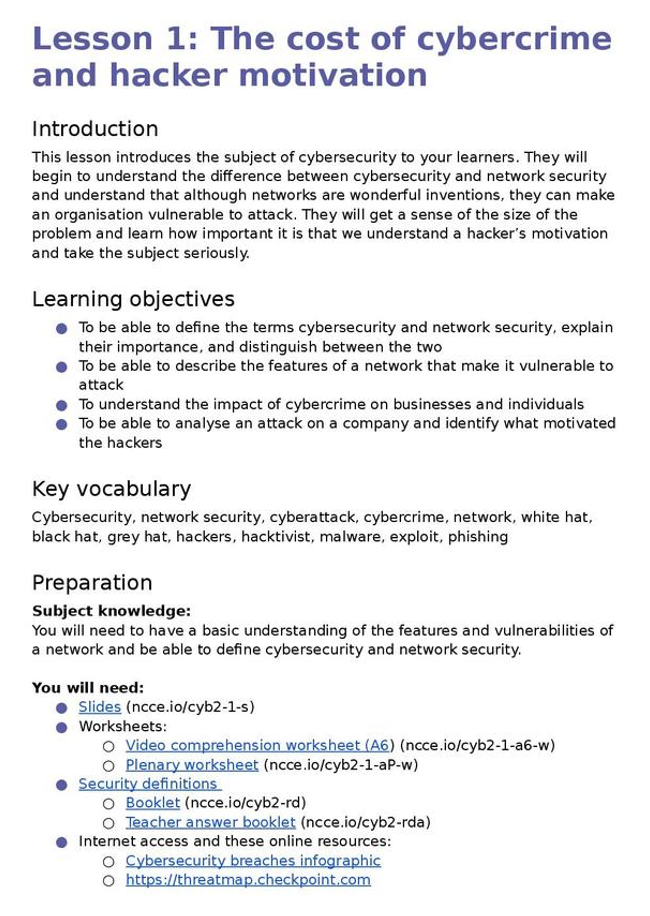
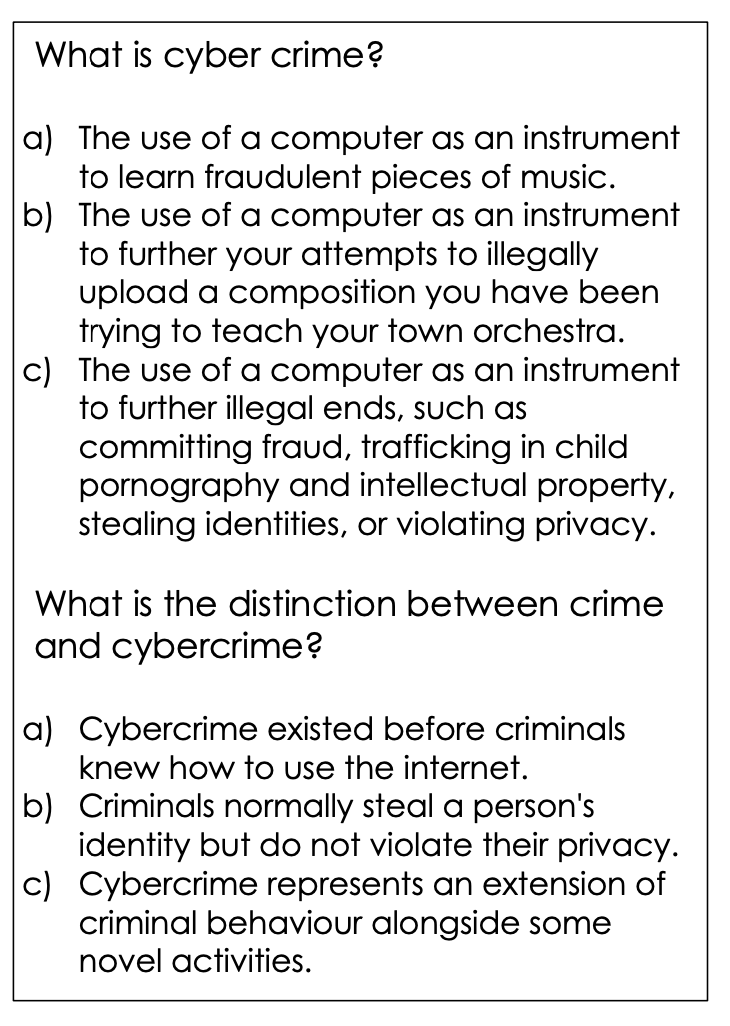
your students before they begin the unit.
- To make the activity communicative in pairs or groups of three (3), students take turns reading the questions aloud along with the multiple-choice answers. The other group members take turns a) identifying the most appropriate answer, and b) explaining why another one cannot be appropriate.
- The activity continues until all the questions have been asked and answered in the manner outlined above. Those groups who finish before others, read the text in the unit and write their own faux questions.
- Finish by going over the ‘quiz’ as a class, with each group taking turns asking the questions and the other groups taking turns answering. As each group answers, you ask another group if they agree with the answer or not. (Note: they must give their response in a complete sentence. (Ex. ‘Yes, we agree with the answer because the other two options were a bit absurd!’ or ‘No, we don’t agree with the answer. We believe the answer is…_____________ because it makes more sense.’)
- Formative Assessment: In pairs or groups of three, students write the objectives of the unit/lesson/project, based on the faux quiz they just took. (This will give you an indication of whether they understood the valid answers and so the core of the subject.)
- Reflection: Students write 7-10 sentences on the activity – whether it was important for them to both speak and listen during the activity. They comment on the humour and whether that changed their mood towards learning the new information.
video explanation of scaffold…
find more scaffolds here…

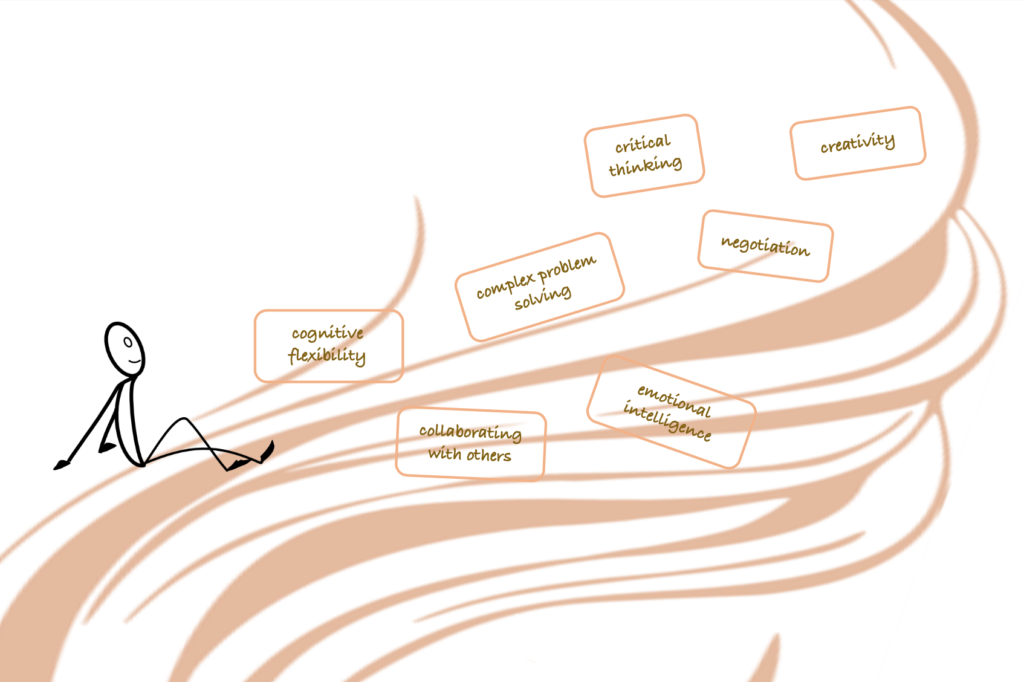
Scaffoldingmagic.com is your entryway into DYNAMIC bilingual learning methodologies, such as Phenomenon-Based Learning, CLIL, EMI, and ESL. You’ll find ways to implement critical thinking tools (DOK) to promote higher level thinking, the growth mindset, instill an ethic of excellence, deep reflection on learning, and all through multi-cultural, interdisciplinary activities. We have the keys to turning competences into action and to creating collective efficacy in your school so you move ahead as a unified, enthusiastic team.